Ashwin's Predictions and Power Concerns
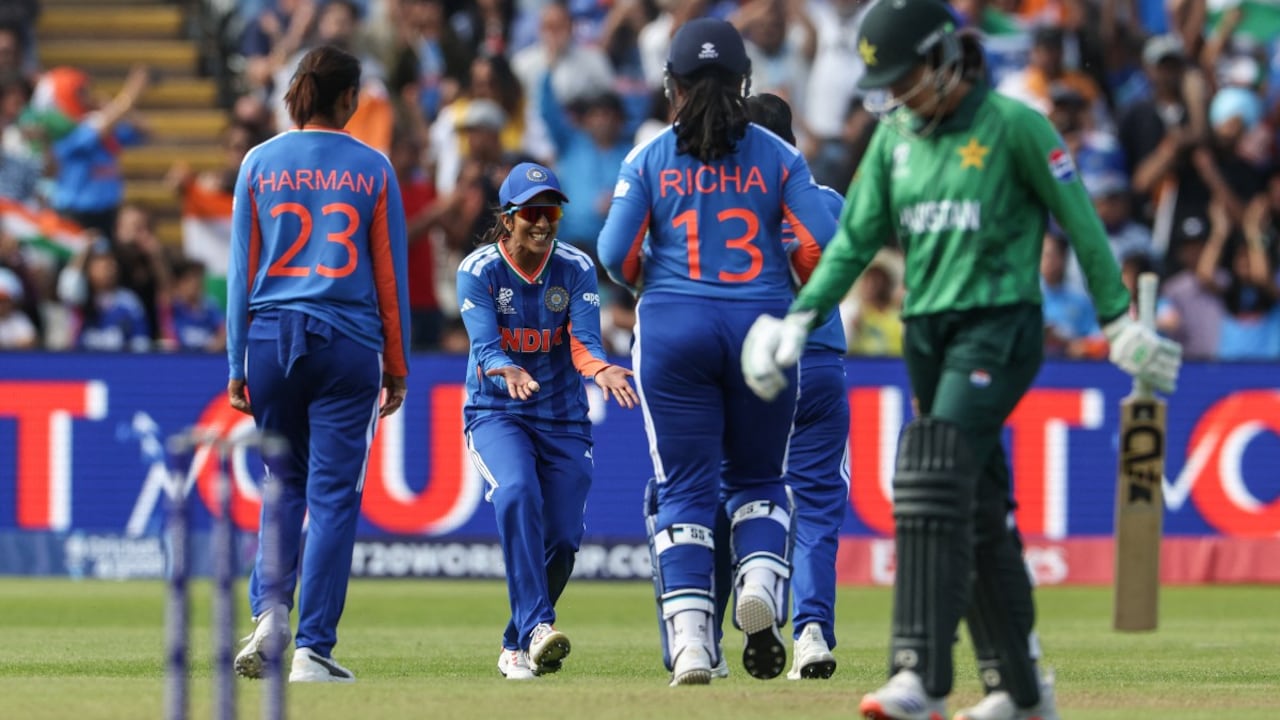
In the aftermath of India’s gripping victory over Pakistan at the ICC Women’s T20 World Cup 2026 in Birmingham, R Ashwin, the seasoned Indian cricketer, has stirred the pot with his candid observations regarding India’s prospects in the tournament. Following the match, Ashwin remarked on a crucial aspect he believes could hinder India’s path to glory: a perceived lack of power within the squad. His bold claim has provoked a flurry of discussions among cricket analysts and fans alike, especially as the tournament progresses.
Ashwin’s emphasis on power hitting highlights a critical area for the Indian women’s team, which has traditionally been known for its technical prowess rather than sheer brute strength. The matches in this edition of the World Cup have showcased the necessity for teams to possess the ability to clear boundaries consistently, particularly as the competition heats up. With the likes of Australia and England fielding squads packed with power hitters, can India find a way to keep pace?

The Rivalry Resumes: A Tactile Standoff
The backdrop of Ashwin’s comments is the intense rivalry that exists between India and Pakistan. This latest encounter was marked not just by the on-field action but also by the lack of traditional gestures of sportsmanship. Tensions were palpable as neither team exchanged handshakes before or after the match, a departure from norms that stirred conversations about the current state of sportsmanship and respect in cricket.
Pakistan’s head coach, Wahab Riaz, was approached for an explanation regarding the absence of handshakes, to which he responded with a nonchalant demeanor, stating he was unsure of the reasons but suggested that it wouldn’t make a significant difference to the game. Such sentiments encapsulate the underlying friction that brews whenever these two cricketing nations meet. As discussed in our earlier article on this rivalry, the psychological facets play as significant a role as the technical aspects of the game.
Match Analysis: Turning Points and Key Performances
In a match that had its share of thrilling moments, India emerged victorious, thanks to a stellar performance from their bowlers. India’s bowling unit applied relentless pressure on Pakistan, making it difficult for them to establish any momentum. The spinners, in particular, were effective in the middle overs, stifling runs and picking up crucial wickets. This is where Ashwin’s concerns about power hitting come into play. If the opposition struggles to score freely, it can significantly dampen their confidence and performance.
Harmanpreet Kaur, the Indian captain, showcased her leadership with a steady innings that anchored the team. Her ability to rotate the strike and find boundaries at crucial moments has been a hallmark of her career. However, as Ashwin pointed out, there may be a need for other players to step up and exhibit that same level of explosive batting. In high-stakes matches against formidable opponents, relying on a single player to carry the team can be detrimental.
Pakistan's Struggles and Missed Opportunities
For Pakistan, the loss was a bitter pill to swallow, especially considering the chances they squandered. The Pakistani batting lineup, while capable, faltered against India’s disciplined bowling attack. The absence of significant contributions from middle-order batters was glaring. This tournament has underscored the importance of depth in batting, which Pakistan seemed to lack during the match.
Wahab Riaz’s comments reflect a broader sentiment within the Pakistani camp. The team must address these issues if they are to turn their fortunes around in the tournament. As highlighted in our piece on Pakistan's strategic overhaul, the management is aware of the challenges and is working on building a squad that can contend with the top-tier teams effectively.
The Importance of Sportsmanship in Cricket
The lack of handshakes during this high-profile match has raised questions about sportsmanship in cricket. It’s crucial for players to remember that sportsmanship goes beyond mere gestures; it reflects the spirit of the game. The on-field rivalries are often intense, but fostering a culture of respect can only help elevate the sport. The cricketing world watches closely as these two nations navigate their complex history, both on and off the field.
As the Women’s T20 World Cup unfolds, it will be interesting to observe how India addresses Ashwin’s concerns about power hitting. The tournament is not just about individual brilliance; it’s about teamwork, adaptability, and the capacity to perform under pressure. India’s next matches will be pivotal in determining their trajectory in the tournament. The expectations are high, and the stakes are even higher.
Future Matches and Tactical Considerations
Looking ahead, India will need to fine-tune its approach, especially in the batting department. The batting order must elevate its performance, particularly during the death overs when runs are crucial. Power hitters can change the course of a game within a few overs, and India must ensure they have the arsenal to do so. As for Pakistan, a reassessment of strategy and execution will be essential as they aim to bounce back from this defeat.
Cricket fans will undoubtedly be eager to watch how this tournament progresses, especially given the heightened rivalry and the stakes involved. The ICC Women’s T20 World Cup 2026 has the potential to provide thrilling encounters, and with players like Harmanpreet Kaur and the emerging talents in both squads, the excitement is only set to grow.
To read more on the implications of this rivalry and the challenges facing both teams, check out our previous articles on Harmanpreet Kaur's Tactile Standoff and Pakistan Cricket's New Era.