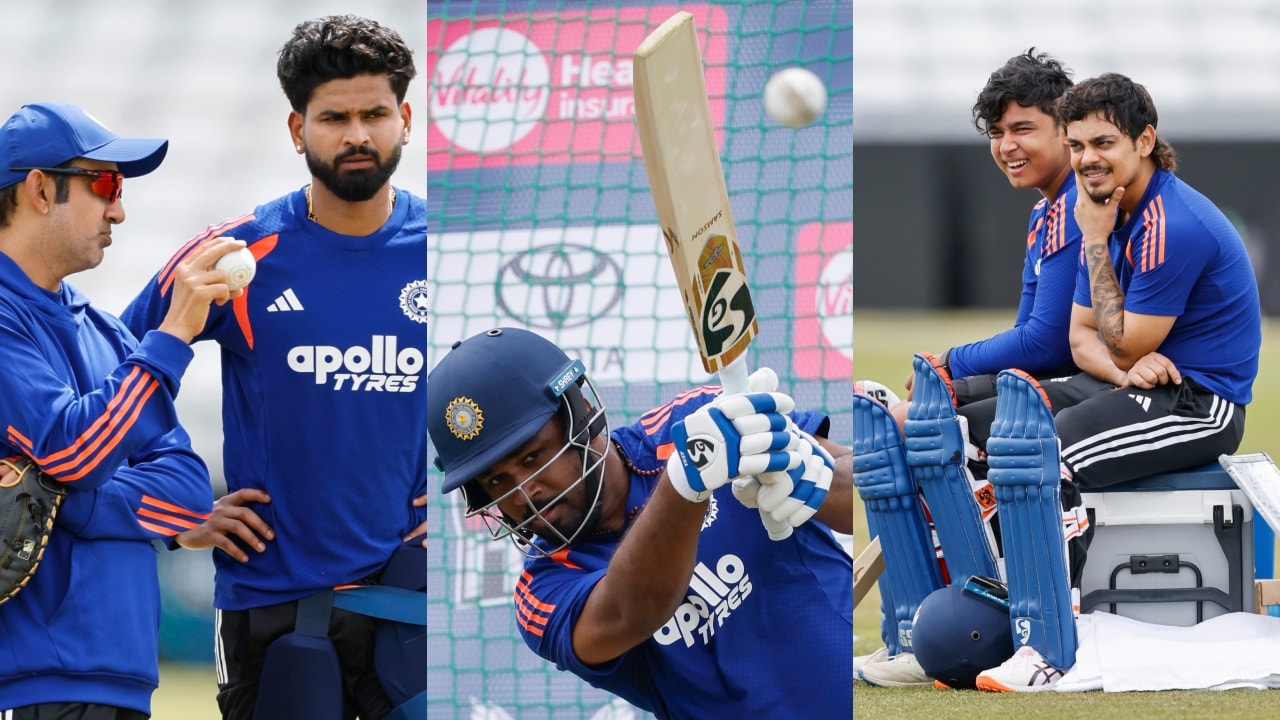
A Troubling Phase for Indian Cricket
The Indian cricket team, once the formidable force in T20 internationals, now finds itself grappling with an alarming slump. Following consecutive series losses against England and Ireland, the reigning T20 World Cup champions appear to be in disarray. The new leadership under captain Shreyas Iyer has come under scrutiny as the team seeks answers for their recent failures.
Criticism has been directed not just at the players but also at the management, with former players like Gautam Gambhir voicing concerns over perceived favoritism in team selections. Following the 4-0 thrashing by England, Gambhir stated, "I have no idea why certain players continue to get opportunities while others are overlooked. It’s a big concern for the future of Indian cricket."
Such statements reflect the growing unrest and dissatisfaction within the cricketing circles over the team dynamics. Questions are being raised about player selection criteria and whether the management is prioritizing loyalty over performance. This sentiment resonates with fans who have witnessed a stark decline in the team’s competitive edge on the global stage.

Captaincy Under Fire
Shreyas Iyer’s appointment as captain was seen as a progressive move, but the results have not matched expectations. With only a handful of wins in recent T20Is, the pressure is mounting on Iyer. His leadership abilities are now under the microscope, with many calling for a reassessment of strategy moving forward. The lack of tactical nous in high-pressure situations has been a recurring theme, especially during the death overs where India’s bowling has faltered.
In the recent series against Ireland, where the team was expected to bounce back, errors in judgment and execution allowed the opposition to seize the initiative. The batting order has also been a point of contention, with critics suggesting that the team has been overly reliant on a few key players, thus neglecting the importance of building a well-rounded squad. The absence of a consistent middle-order has left gaping holes in the batting lineup, which has struggled to chase down total sets by the opposition.
Women's Cricket Shines Amidst Men's Team Struggles
While the men's team faces challenges, there is a silver lining in women's cricket. Harmanpreet Kaur’s team recently delivered a stunning performance against England, securing a resounding 270-run victory at Lord's. This stunning win not only showcased the prowess of women's cricket in India but also highlighted the stark contrast in performance levels within the national setup. Kaur expressed hope for more Test matches in the future, which could provide young players with invaluable experience and exposure.
The success of the women’s squad could serve as an inspiration for the men’s team to reassess their approach to the game. The Indian women's cricket team has garnered attention for their grit and determination, and their recent achievements could provide valuable lessons in resilience and teamwork.
A Call for Change
With the T20 World Cup just around the corner, the men’s team must address its identity crisis. The BCCI is at a crossroads, needing to make critical decisions about the team’s future. There are discussions about bringing in fresh talent and possibly revamping the coaching staff to instill a winning mentality. The need for a robust scouting system to identify young talent is more pressing than ever.
The debate continues to rage over the future of ODI cricket as well, with Shubman Gill recently rejecting the proposal to reduce the format to 40 overs. His stance reflects a desire to maintain the integrity of the game while fostering excitement. Gill’s call for innovative approaches to engage fans could be instrumental in reviving interest in ODIs and T20s alike. The future must embrace change, but it should not come at the cost of the game’s rich traditions.
Internal Challenges and External Pressures
As the team navigates through these turbulent waters, external pressures are mounting. Fans are growing restless, and social media sentiment has shifted to a predominantly negative tone. The BCCI’s decision to back Iyer and his management team in the face of dwindling support will be closely watched. Resilience and adaptability will be key for a team that prides itself on its competitive spirit.
The T20 format is unforgiving, and teams must continuously adapt their strategies. India’s bowlers, especially in the death overs, have repeatedly fallen short, which emphasizes the need for specialized training and game awareness. If the team can turn its focus towards rectifying these weaknesses, they might just find a path out of this current slump.
Conclusion: A Road Ahead
The road ahead for Indian cricket is fraught with challenges and opportunities. As the team grapples with identity and performance issues, a collective effort from players, management, and fans is necessary to restore the glory that Indian cricket once basked in. The upcoming months will be crucial as the team prepares for the T20 World Cup, and it will be vital to address the pressing concerns head-on. The cricket community is watching closely, and the time for introspection and actionable change is now.
For further insights into India's women's cricket success and future prospects, check out our article on India's Women's Test: A Historic Performance and Future Concerns. Additionally, for a broader context on the current state of Indian cricket, read BCCI Faces Tough Decisions After T20I Series Defeat.