Introduction
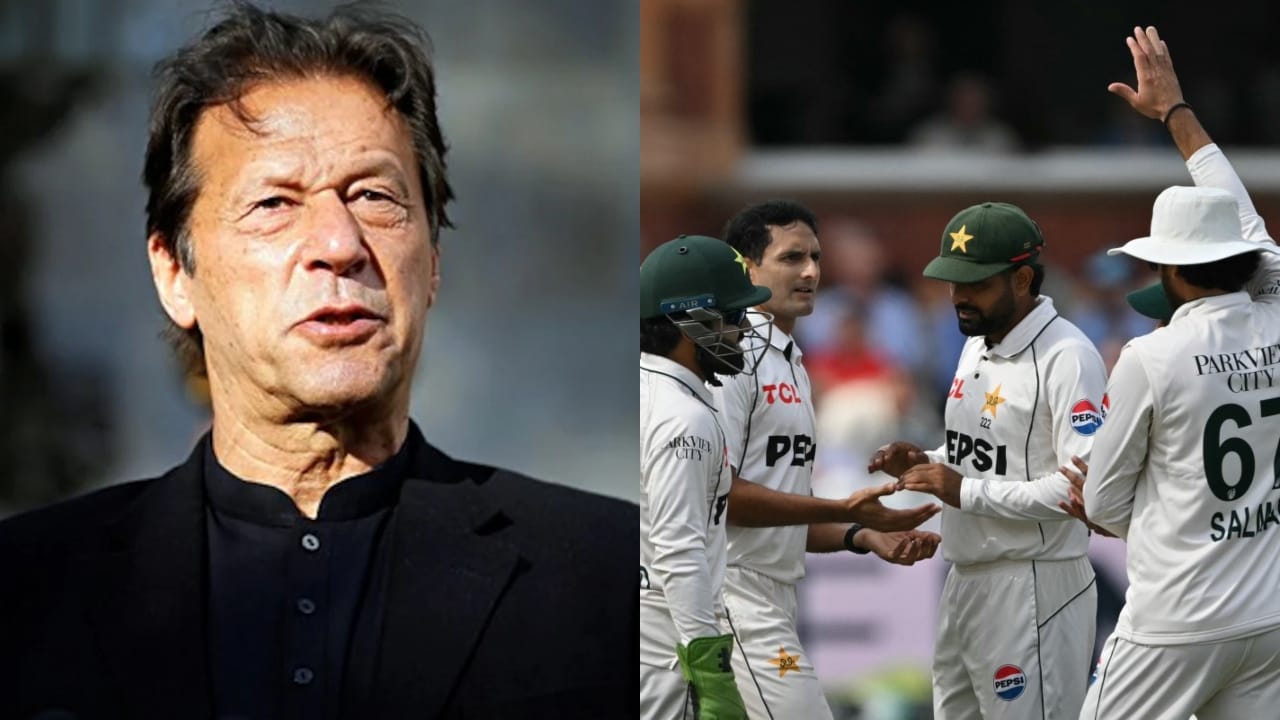
The political landscape in Pakistan has long intertwined with its cricketing narrative, and recent events have only intensified this connection. The Pakistan Cricket Board (PCB) has taken a significant stance amid the ongoing controversy surrounding the imprisonment of former Prime Minister Imran Khan. In a move that showcases the board's desire to maintain focus on cricket, they have advised players participating in the upcoming Test series against England to refrain from commenting on Khan's situation. This decision has sparked discussions about the impact of political issues on sports, particularly cricket, which is often viewed as a unifying force in Pakistan.
PCB's Directive and Its Implications
The PCB's directive comes at a time when the country is grappling with a myriad of challenges, both politically and economically. By discouraging players from making public statements about Imran Khan, the PCB aims to shield the team from external pressures and ensure that their focus remains solely on the game. This is a critical period for Pakistan cricket, as they are set to face a formidable England side that has shown resilience and skill in recent series.
Cricketers have a significant influence, especially in a country where cricket is more than just a sport; it is a passion that transcends boundaries. Therefore, the PCB's caution could be seen as a double-edged sword. While it may help maintain team cohesiveness, it also risks alienating fans who view their players as representatives of national sentiment.

Historical Context of Political Influence in Cricket
Pakistan cricket has not been a stranger to political influence. From the days of the late Benazir Bhutto, who often used cricket to garner support, to the present, where Khan's political journey has been intricately linked with his cricketing legacy, the sport has always been a reflection of the nation's tumultuous history. Khan's captaincy during the iconic 1992 World Cup victory is often cited as a turning point, not just for cricket but for national pride. His subsequent political career has brought new dimensions to this legacy, complicating the relationship between sports and politics.
The PCB's decision is reminiscent of past instances where cricketers were caught in the crossfire of political debates. Players like Wasim Akram and Waqar Younis have often found themselves in uncomfortable positions, having to balance their professional responsibilities with national expectations. The board's current stance signifies a move to prioritize cricket amid a storm of political unrest.
The England Series: A Crucial Test
As Pakistan prepares to engage in a challenging Test series against England, the focus on cricket is paramount. England, with a robust squad and a history of competitive encounters, will not be an easy opponent. The series will serve as a litmus test for the players, particularly those who are young and impressionable. The likes of Shaheen Afridi and Babar Azam will need to channel their energies effectively, steering clear of distractions that could derail their performance.
The international stage is unforgiving, and the pressure of performing while navigating off-field controversies can be overwhelming. The PCB's directive to keep political discourse at bay might serve as a temporary solution to maintain focus, but it remains to be seen how players handle the scrutiny and emotional toll of the situation back home.

Players' Perspectives and Challenges Ahead
From the players' perspective, the directive from the PCB presents a dilemma. Many cricketers are passionate about their country and its political landscape; thus, being silenced on such pivotal issues can be frustrating. Young players, in particular, may feel torn between their loyalty to the sport and their national identity. It is crucial for the PCB to provide adequate support to players in managing their thoughts and emotions during this challenging time.
Moreover, the international cricketing community is watching closely. How the PCB addresses this situation will likely influence its reputation and the dynamics of future engagements. The narrative surrounding Imran Khan and his political struggles is not merely a local concern; it resonates globally, and the response from the PCB will be scrutinized by fans and analysts alike.
Conclusion: The Path Forward for Pakistan Cricket
As Pakistan navigates through this period of uncertainty, the focus must remain on cricket. The upcoming series against England is an opportunity to showcase talent and resilience. For the PCB, the challenge lies in balancing player freedom with the necessity of maintaining a united front. Moving forward, it is essential for the board to foster an environment where players can thrive without the weight of external issues overshadowing their performance on the field.
The intersection of cricket and politics is complex, particularly in a country like Pakistan. However, the PCB's current approach marks an important step toward safeguarding the integrity of cricket while addressing the realities of the political landscape. As the situation evolves, the cricketing world will be keenly observing how these dynamics unfold and the ultimate impact on the future of Pakistan cricket.
For deeper insights, revisit our articles on Kohli's absence impacting India's performance and the evolution of cricket in the T20 world.