MCA's Vision for Women's Cricket
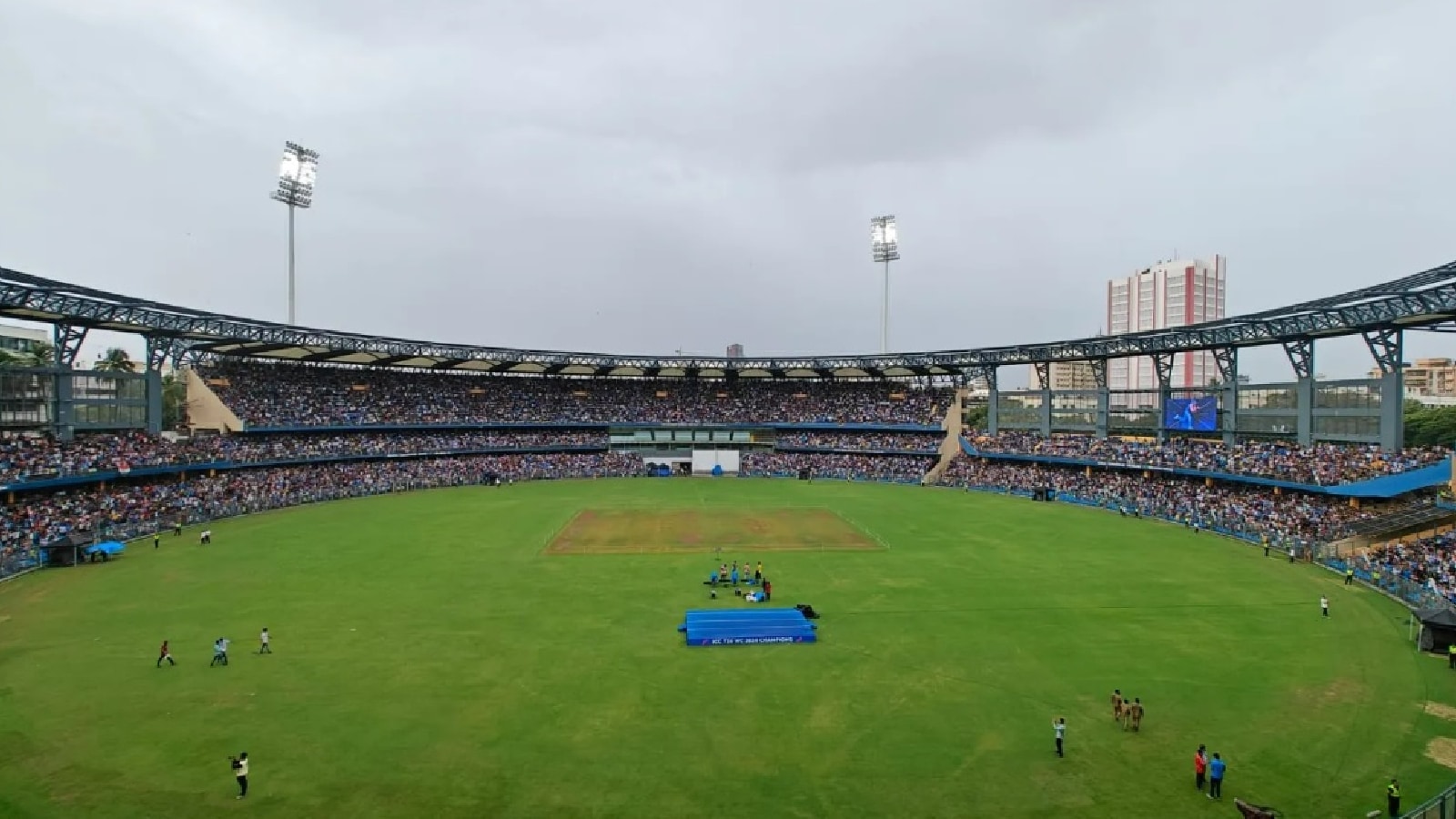
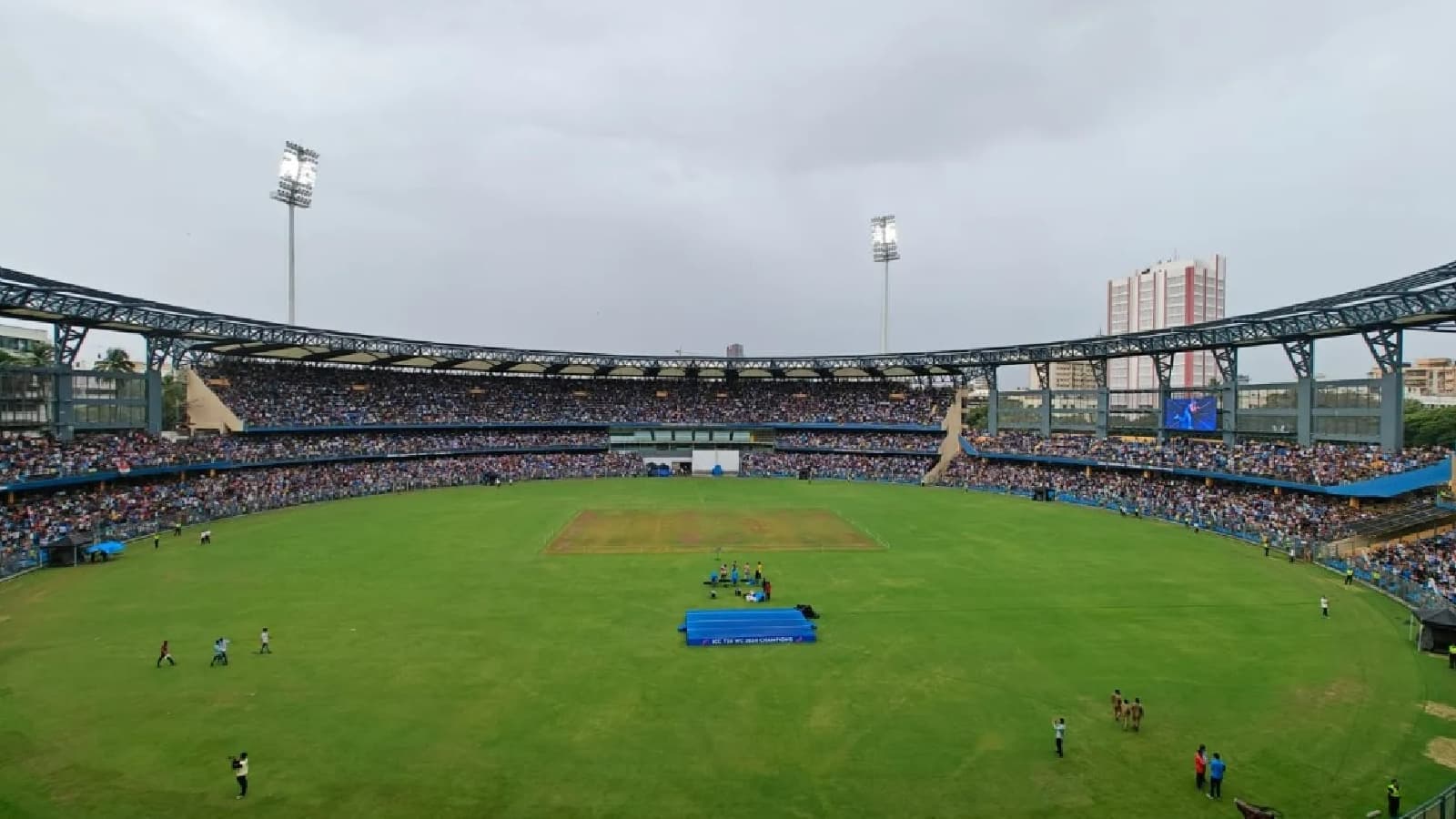
The Maharashtra Cricket Association (MCA) is making a strong push for the future of women’s cricket in India. Recently, the MCA asked the Board of Control for Cricket in India (BCCI) to sanction a U-17 girls tournament along with a plea for more international matches to be hosted at the iconic Wankhede Stadium. This initiative not only signifies the MCA's commitment to nurturing young talent but also aims to elevate the status of women’s cricket in India further.
Wankhede Stadium, a revered venue in the cricketing world, has been the stage for many memorable moments, including India’s 2011 World Cup triumph. The MCA's call for more international fixtures reflects their ambition to make this historic ground a regular host for women's matches, thus contributing to the growth of the game.
The Current Landscape of Women's Cricket in India
Women’s cricket in India is experiencing a renaissance. Following the Indian women's team's impressive performances on the international stage, particularly in limited-overs formats, there is a growing momentum to invest in grassroots programs. The proposed U-17 tournament aims to create a platform for young female cricketers, allowing them to compete at a higher level and gain valuable experience. Such initiatives can only bolster the existing framework, which has seen the likes of Smriti Mandhana and Harmanpreet Kaur rise to prominence.

This emphasis on youth cricket is timely, especially with the upcoming ICC Women's T20 World Cup in focus. The BCCI's willingness to host more international matches at Wankhede could serve as a springboard for developing future stars, ensuring that the Indian women's team continues to be competitive on the global front.
Ajit Agarkar's Departure and Its Implications
In a parallel development, the BCCI is on the lookout for a new chairman of selectors following the conclusion of Ajit Agarkar’s tenure. Agarkar, a former international cricketer, has had a significant impact during his time in charge, focusing on building a team that balances experience with youth. His departure opens up discussions around the direction in which the national selection committee will head next.
The importance of this role cannot be overstated; the chairman of selectors has the ability to shape the future of Indian cricket. With the IPL gaining traction and the international calendar becoming increasingly congested, the new selector will need to maintain a keen eye on the performance of players across formats, ensuring that only the best represent the nation.
Transitioning to a New Selectorial Era
The appointment of a new chairman of selectors comes at a critical juncture. With the Indian team facing a challenging schedule ahead, including key international series and tournaments, the selector's ability to identify talent and make bold decisions will be crucial. The new regime will need to work closely with the coaching staff to ensure that players are not just selected based on their IPL performances but also their ability to adapt to different formats of the game. The balance of youth and experience is vital, and this is where the new selection head must excel.
As fans look forward to the next chapter in Indian cricket, the continuity of excellence must be preserved. The void left by Agarkar will need to be filled by someone who shares the vision of nurturing young talent while also respecting the contributions of seasoned players.
The Importance of International Matches
Hosting more international matches at Wankhede does not only resonate with the MCA's ambitions but also aligns with BCCI's broader vision to grow the game. Cricketing events at this venue have the potential to draw large crowds, as seen during the IPL, where Wankhede is often a fortress for the Mumbai Indians. The atmosphere created by passionate fans can significantly uplift players' performances, adding another layer of excitement to women's cricket.
International matches could serve as an opportunity for young female cricketers to play alongside and against seasoned international stars, providing them invaluable learning experiences. The impact of such exposure cannot be underestimated; it could inspire a new generation of cricketers in Maharashtra and beyond.
Building a Sustainable Future
The MCA's advocacy for a U-17 girls tournament and international matches is an essential step towards a more inclusive cricketing environment. The passion and dedication of the MCA officials should be met with equal enthusiasm from the BCCI to create a sustainable future for women’s cricket. With the right investments and planning, India can further its dominance in the women's game, much like it has in men's cricket.
In conclusion, as the BCCI searches for a new chairman of selectors, the focus must remain on nurturing talent and fostering an environment where young cricketers can thrive. The proposed initiatives by the MCA offer a promising blueprint for the future, where women's cricket can flourish and inspire countless young girls to take up the sport. If implemented effectively, these changes could ensure that Indian cricket continues to shine on both domestic and international platforms.
The cricketing fraternity waits with bated breath for the decisions that lie ahead. Can the BCCI and MCA combine forces to elevate women's cricket to unprecedented heights? Only time will tell, but the groundwork is being laid now.
For more on women's cricket developments, check out our coverage of India Dominates Japan in Asian Games Women's T20 Quarter-Final and Bumrah and Chakravarthy Shine Amid Injury Woes in T20Is.